Winter in the Royal City can be beautiful — but it can also be demanding on your home’s heating system. From heavy lake-effect snowfall to the sharp winds that move along the Speed River, local weather conditions can place significant strain on furnaces and heating equipment. Reliable indoor warmth isn’t just about comfort — during extreme cold, it’s also a matter of safety.
At Guelph HVAC Pro, years of experience helping homeowners across neighborhoods like Exhibition Park and south Guelph have shown that most mid-winter breakdowns are preventable. With the right preparation and routine maintenance, you can keep your heating system running efficiently all season long. Here are five essential professional tips to help ensure your furnace stays dependable when temperatures drop.
1. Check Your Air Filters Monthly
A clogged air filter is one of the most common causes of heating system inefficiency — and one of the easiest problems to prevent. During peak winter months, your furnace runs frequently to maintain indoor comfort. When filters become dirty or blocked, airflow is restricted, forcing the system to work harder and run longer to achieve the same temperature.
This added strain not only increases energy consumption but also accelerates wear on critical components. Over time, restricted airflow can even cause overheating or system shutdowns.
Make it a habit to inspect your filter every 30 days during winter. If it appears dusty, discolored, or clogged, replace it immediately. Clean airflow improves efficiency, supports better indoor air quality, and helps prevent unnecessary repairs.
2. Keep the Area Around Your Furnace Clear
Your mechanical room or furnace area should never be used as a general storage space. Items stored too close to the unit can restrict airflow and create safety hazards, particularly if you have a gas furnace.
Keep the area around your heating equipment free of clutter, including boxes, paper products, paint cans, and any flammable materials. Adequate clearance allows proper ventilation and helps ensure safe combustion.
Maintaining a clean, open space around your furnace also makes inspections and service visits easier. Technicians can quickly access components, identify potential concerns, and complete maintenance more efficiently.
3. Test Your Carbon Monoxide Detectors
As winter temperatures fall, homes are sealed more tightly to retain heat. While this improves efficiency, it also increases the importance of monitoring indoor air safety — especially in homes with gas furnaces, boilers, or other fuel-burning appliances.
Carbon monoxide is colorless and odorless, making functioning detectors essential. Test every detector in your home regularly and replace batteries as needed. If your detectors are older, consider replacing them entirely to ensure accurate monitoring.
This simple step provides critical protection and peace of mind throughout the heating season.
4. Schedule a Professional Furnace Tune-Up
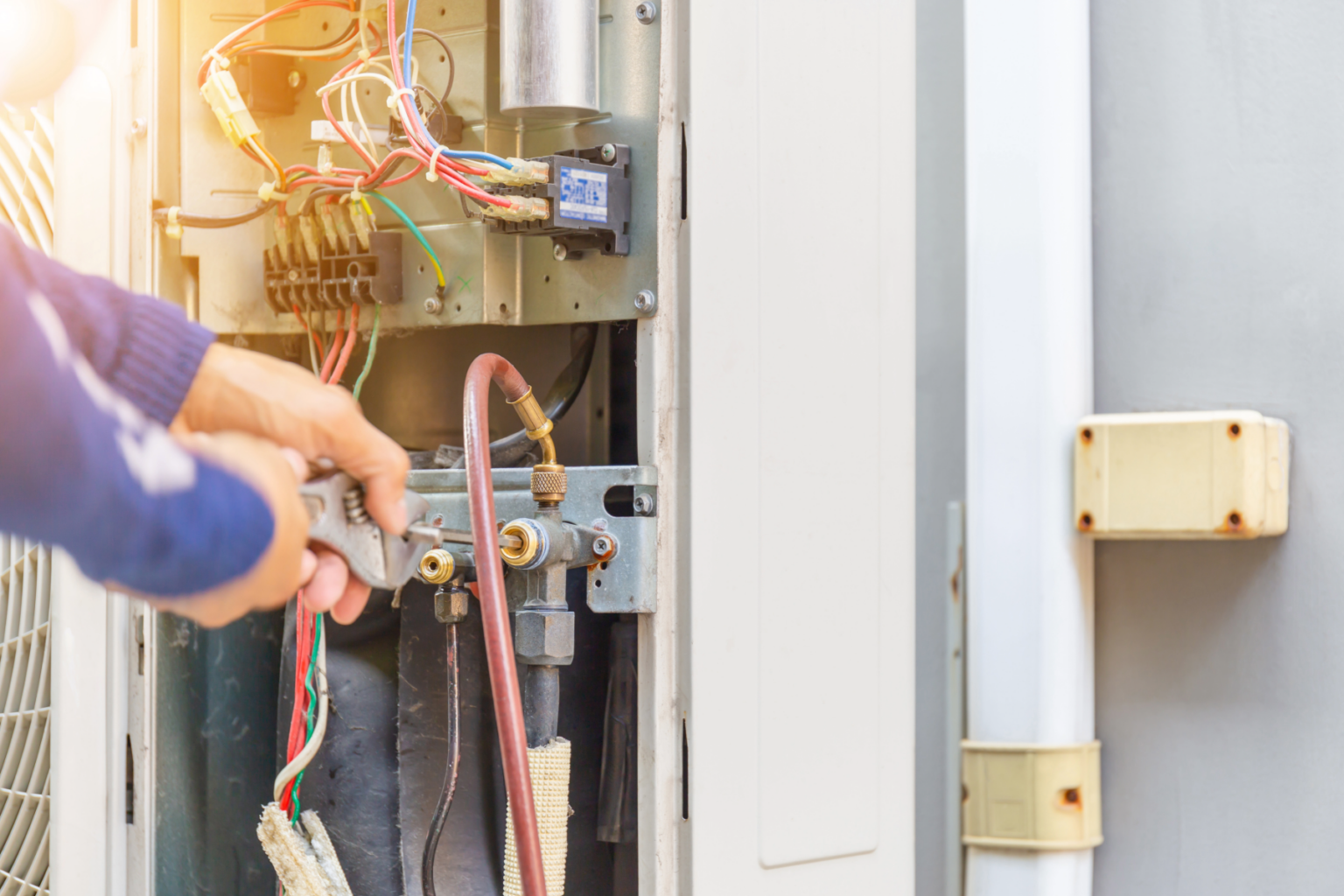
Preventative maintenance is one of the most effective ways to avoid unexpected breakdowns. A professional tune-up allows trained technicians to inspect, clean, and test your heating system before small problems turn into major failures.
During a maintenance visit, a technician can identify issues such as worn components, ignition problems, airflow restrictions, or early signs of heat exchanger damage. Addressing these concerns early helps prevent emergency service calls — especially during the coldest nights of the year.
Regular professional servicing also improves efficiency, extends equipment lifespan, and helps maintain consistent indoor comfort.
5. Inspect Outdoor Intake and Exhaust Vents
Many homeowners overlook exterior furnace vents, but these components play a crucial role in safe operation. Snow drifts, ice buildup, or debris can block intake and exhaust pipes located outside your home.
When vents are obstructed, your heating system may shut down automatically to prevent unsafe operation. In severe cases, airflow problems can affect combustion performance.
After heavy snowfall or freezing weather, take a few moments to check that exterior vents remain clear and unobstructed. Gently remove any snow or ice buildup to maintain proper airflow.
Stay Proactive for a Warmer, Safer Winter
Winter weather places intense demands on heating systems, but proactive care can make all the difference. Simple steps like replacing filters, keeping equipment areas clear, testing safety devices, and scheduling professional maintenance help prevent unexpected breakdowns and reduce long-term repair costs.
Consistent upkeep also improves efficiency, lowers energy bills, and extends the life of your HVAC equipment. By preparing your system before and during winter, you can stay comfortable no matter how harsh the season becomes.
A little preparation today helps ensure your home stays warm, safe, and reliable all winter long.