
Share the property details
Send the location, equipment, symptoms or planned changes, and who can approve the work. Existing labels and service records help define the request.
Now part of the
 family
Request heating, cooling or maintenance for your Guelph property. Choose the work and describe the equipment or symptoms. Coverage, pricing and appointments require confirmation.
Is something not working, or are you planning an installation or maintenance?
Choose the work you need and describe what changed, when it began, and which equipment is involved. For a planned project, include the outcome you want and any access or scheduling constraints.
Choose a heating or cooling service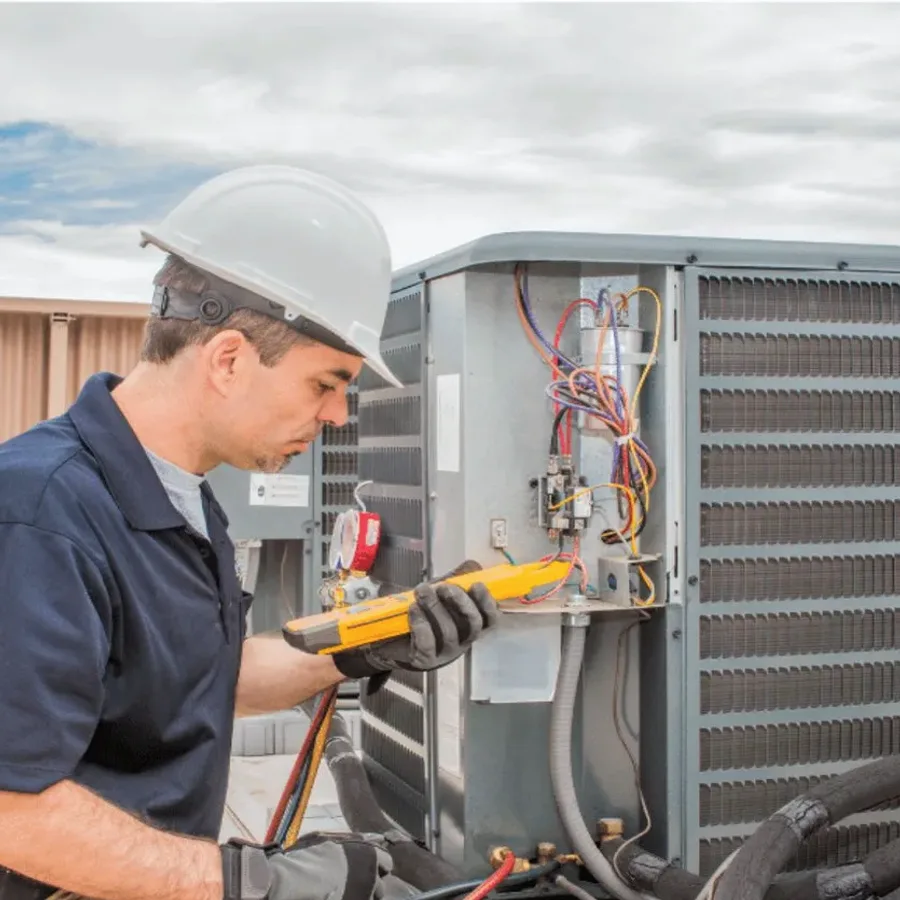
Describe the work first, then confirm the people, timing, and terms before making a commitment.
Send the location, equipment, symptoms or planned changes, and who can approve the work. Existing labels and service records help define the request.
The enquiry team reviews the request and shares it with a relevant service provider for follow-up using your contact details. Confirm contractor coverage, qualifications and how the property will be assessed before agreeing to an appointment.
Ask which findings support the work, what is included or excluded, and how completion will be checked. Agree on pricing and terms with the contractor.
Mention an offer in your request and we will confirm your eligibility with your quote.
Annual maintenance plans start at $120 plus tax for a furnace or an air conditioner, or $210 plus tax for both.
Plan payment is due before the maintenance appointment. We confirm plan coverage, pricing and availability before you book.
Ask about financing when you request your quote.
We confirm rates, terms and eligibility before you commit.
Start with the installed equipment and its manufacturer instructions. Maintenance needs depend on the appliance and its use. Keep service records and ask a qualified contractor which seasonal inspections apply.
When requesting work for a property in Guelph or nearby Georgetown, Milton and Fergus, organize the fault record by operating mode, outdoor conditions, and backup response. Ask what distinguishes the proposed diagnosis from previous assumptions. The service report should explain the cause, work performed, operating checks, and any remaining limitation so future assessment does not begin from an incomplete history.
Record whether the fault occurs in heating, cooling, or both, and note any recurring symptoms or equipment codes. Inspection can compare controls and electrical components with coil condition and refrigerant-circuit operation. For installation planning, existing ductwork, the building's heating and cooling needs, and model compatibility affect equipment selection. The condition of major parts and the scope of a proposed repair inform a reasoned replacement comparison.
A heat pump that fails to heat may not have the same cause as one that cools unevenly or makes a new noise. Diagnosis should check the relevant controls and electrical components, then assess coils, airflow, and the refrigerant circuit as indicated by the symptoms. A leaking coil is not the same repair as a failed capacitor. Fault history and operating mode help direct inspection without assuming one cause from the symptom alone.
Coil condition, airflow, control operation, and refrigerant-circuit findings can show whether maintenance or repair is indicated. Cleaning and other maintenance should follow the manufacturer's instructions and what inspection reveals, not a claim that performance declines by a fixed amount each year. Where a charge concern is found, the cause needs assessment by a qualified person. Maintenance findings should be kept distinct from a confirmed component failure requiring repair.
A replacement assessment should account for heating and cooling requirements, existing ductwork, and the selected model's compatibility with the property's distribution system. A furnace conversion, new build, or retrofit with constrained ducts can each change the installation scope. Compare equipment against the documented needs rather than choosing on a single efficiency label. If an existing heat pump has major faults, consider its overall condition alongside the proposed repair before deciding on replacement.
Share the property location and the work you need so the request can be reviewed.