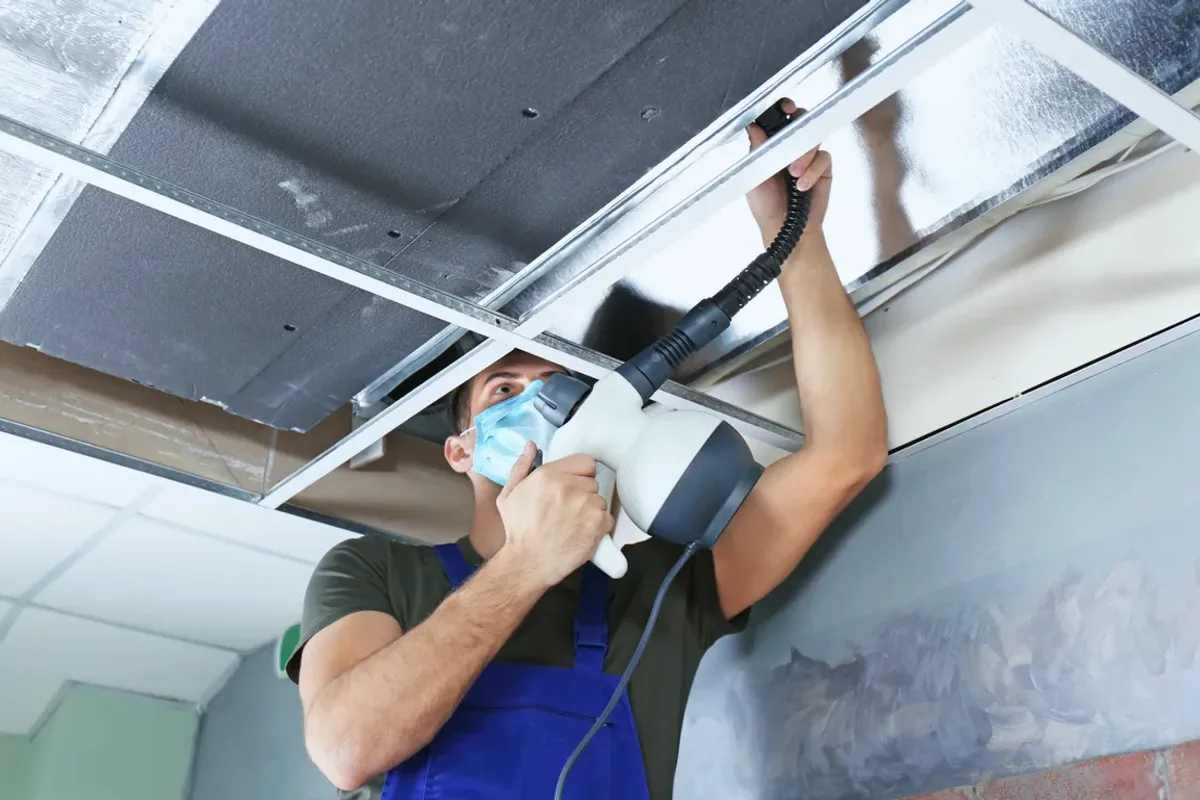
What evidence indicates that ductwork may need cleaning?
Duct cleaning is a specific service for accessible ductwork, not a routine requirement for every heating or cooling system. An inspection can establish whether there is visible debris, renovation residue, a blockage, or another condition that supports cleaning. Weak airflow can also have causes elsewhere, so the filter, equipment, and accessible ducts should not be treated as interchangeable diagnoses. The system layout, number of air handlers, and access to duct sections affect the scope, while any sealing work is a separate consideration.
Inspection should identify where material is present, whether it is reachable, and whether the observed condition is actually in the ductwork. A musty smell or weak airflow alone does not confirm that cleaning is appropriate. Note renovation debris, visible accumulation, blocked sections, and system layout, then distinguish duct concerns from equipment or filter issues. Camera observations can document conditions, but they do not by themselves establish a need for unrelated treatment or repairs.
Inspection of accessible ducts for debris, renovation residue, or blockage
Airflow diagnosis and distinction from filter or equipment issues
System access, camera observations, and separate duct-sealing findings
Assessment and Scope
Questions for the Proposed Work
01
Use observed conditions to decide whether cleaning is warranted
Visible accumulation, renovation debris, or a confirmed blockage can support consideration of duct cleaning, while ordinary dust at a register does not show the condition of the full system. An inspection should record the affected sections and whether they are accessible. A musty smell can have causes outside the ducts, including a moisture concern near equipment. Findings should guide whether cleaning is appropriate rather than applying a fixed schedule to every property.
02
Separate airflow diagnosis from duct cleaning
Restricted airflow can come from a filter, equipment component, closed or obstructed duct, or other system condition. Inspection should trace the concern before attributing it to debris throughout the ductwork. If a joint leak is observed, documenting its location helps define a separate sealing scope; cleaning does not itself correct leakage. Where camera inspection is useful, the images can support discussion of specific findings rather than claims about unseen areas.
03
Define access and scope for the actual system
The number of air handlers, duct branches, access points, and finished ceilings can change what sections are reachable and how cleaning is scoped. Renovation residue or long duct runs may require additional planning, but inspection findings determine the work rather than a universal duration. If a furnace, air conditioner, or heat pump component is also in question, assess it as related but separate work. Cleaning methods should suit the system and the observed material.
Compare the next step
Ask what contamination remains or has returned since the earlier cleaning and whether the original source was resolved. Compare photographs and included components, then identify any filtration, moisture, or damaged-material issue needing separate work. Completion evidence should relate to the documented problem rather than simply another cleaning date.
Routine cleaning is not automatically necessary and does not guarantee health or energy benefits. Resolve moisture sources and assess damaged materials rather than treating cleaning as the only remedy.