If your air conditioner seems to run all day but your Guelph home still feels sticky and uncomfortable, you are not imagining it. Summers in Ontario are not just hot, they are humid, and moisture plays a major role in how comfortable a house feels even when the temperature looks fine on the thermostat.
Start With How an AC Actually Works
An air conditioner cools the air and removes moisture from it in the same breath. Ontario summers supply plenty of both heat and humidity, which is why a system that feels fine in June can fall behind by late July. It is rarely a sudden failure; it is a load problem, and load problems come from a handful of common sources.
Moisture is the part people forget. In a humid climate, dehumidifying is the difference between a house that reads cool and a house that feels comfortable, so it deserves a closer look.
Dirt Is the Most Common Culprit of All
A clogged filter. When the filter is full, airflow drops and the system cannot move enough air to cool or dehumidify properly. Dirty coils. Dust building up on the indoor and outdoor coils blocks heat exchange, so heat that should be carried outside simply stays put.
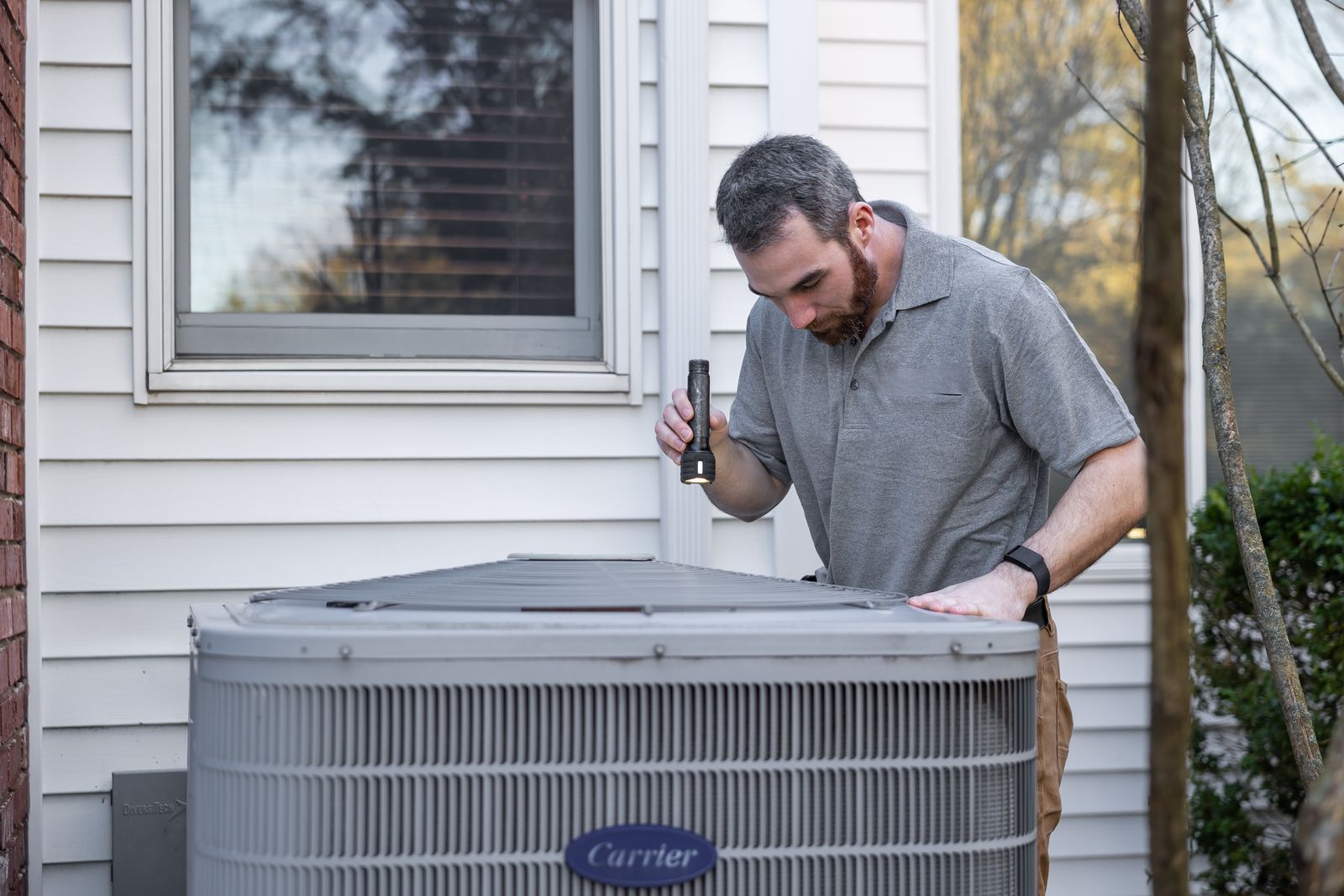
A blocked condenser. Grass clippings, leaves, or a fence placed too close trap heat around the outdoor unit, forcing it to work even harder on days that are already tough.
When the Machine Itself Falls Short
An aging unit. Compressors and fans lose capacity as they wear, so a system that once cycled normally now grinds through the entire day. An undersized system. If the unit lacks the capacity for the home, it simply never finishes the job on peak days, running longer and longer without catching up. Wear and sizing both shrink the effective capacity of a system, and the two often arrive together: an aging unit behaves like an undersized one years before it actually fails.
Refrigerant, the Building, and the Fix
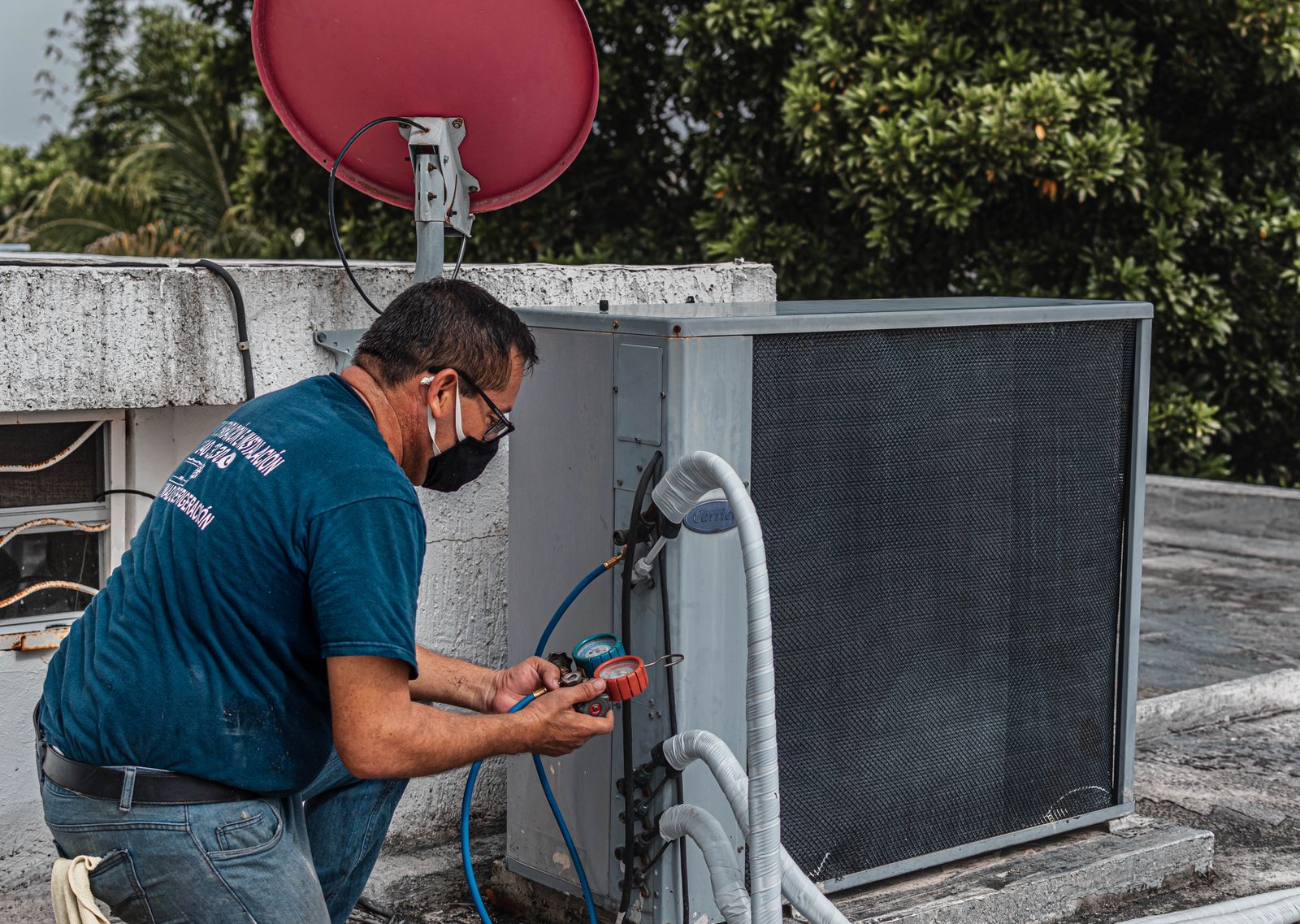
Low refrigerant. A slow leak stretches every cycle and can eventually damage the compressor. Poor insulation and air leaks. Warm, humid air leaking in through the attic, windows, and doors adds load the equipment was never meant to carry; sealing gaps and adding insulation can genuinely change how the system performs.
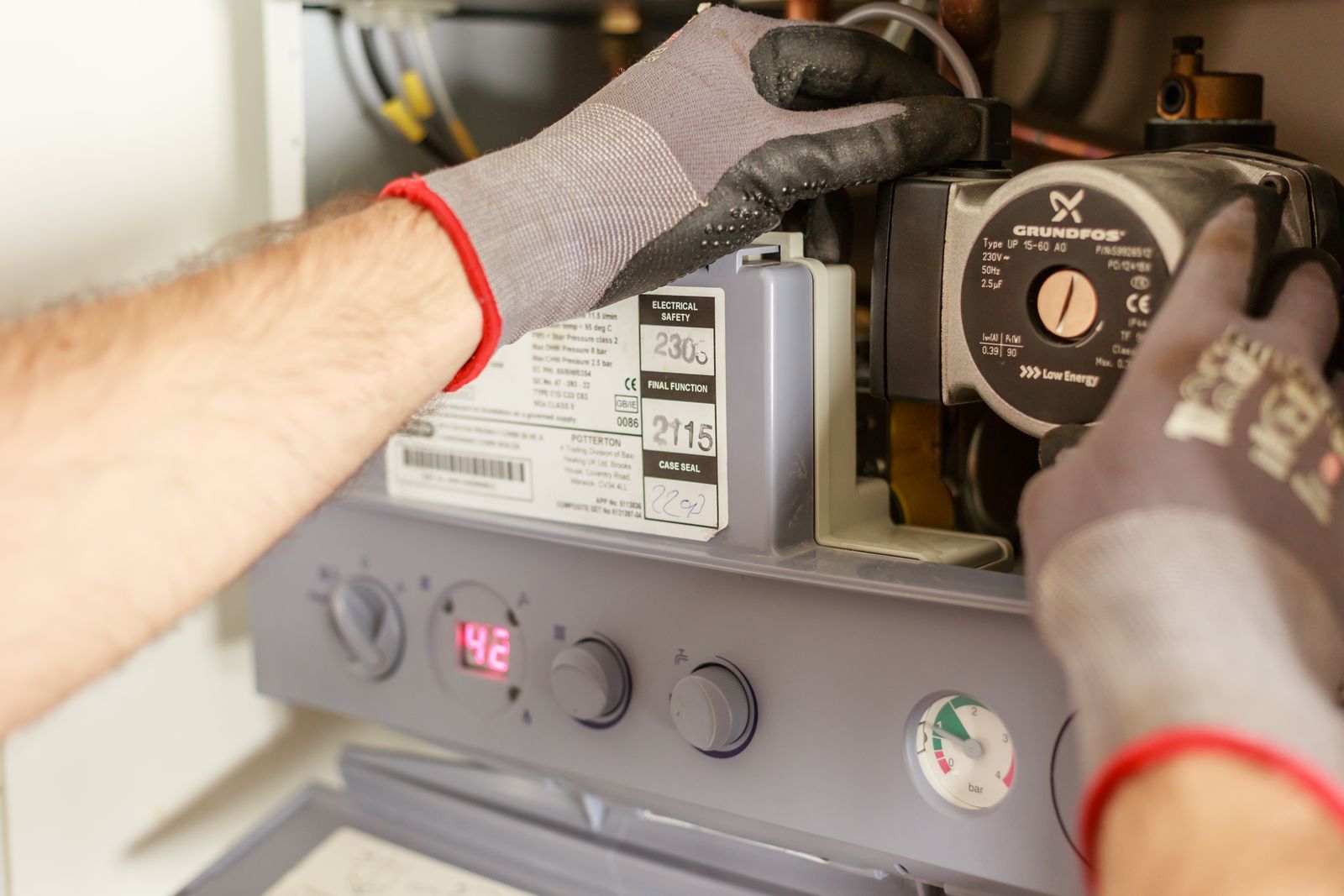
When Guelph HVAC Pro services a system, the visit covers the full chain: pressure-testing the charge, cleaning the coils, measuring airflow, and confirming the unit is sized for the home as it stands today.
Ceiling fans do not lower the air temperature, but they make a room feel a couple of degrees cooler by moving air across your skin. Running them in occupied rooms lets you nudge the thermostat up without sacrificing comfort, and they cost pennies a day to operate.